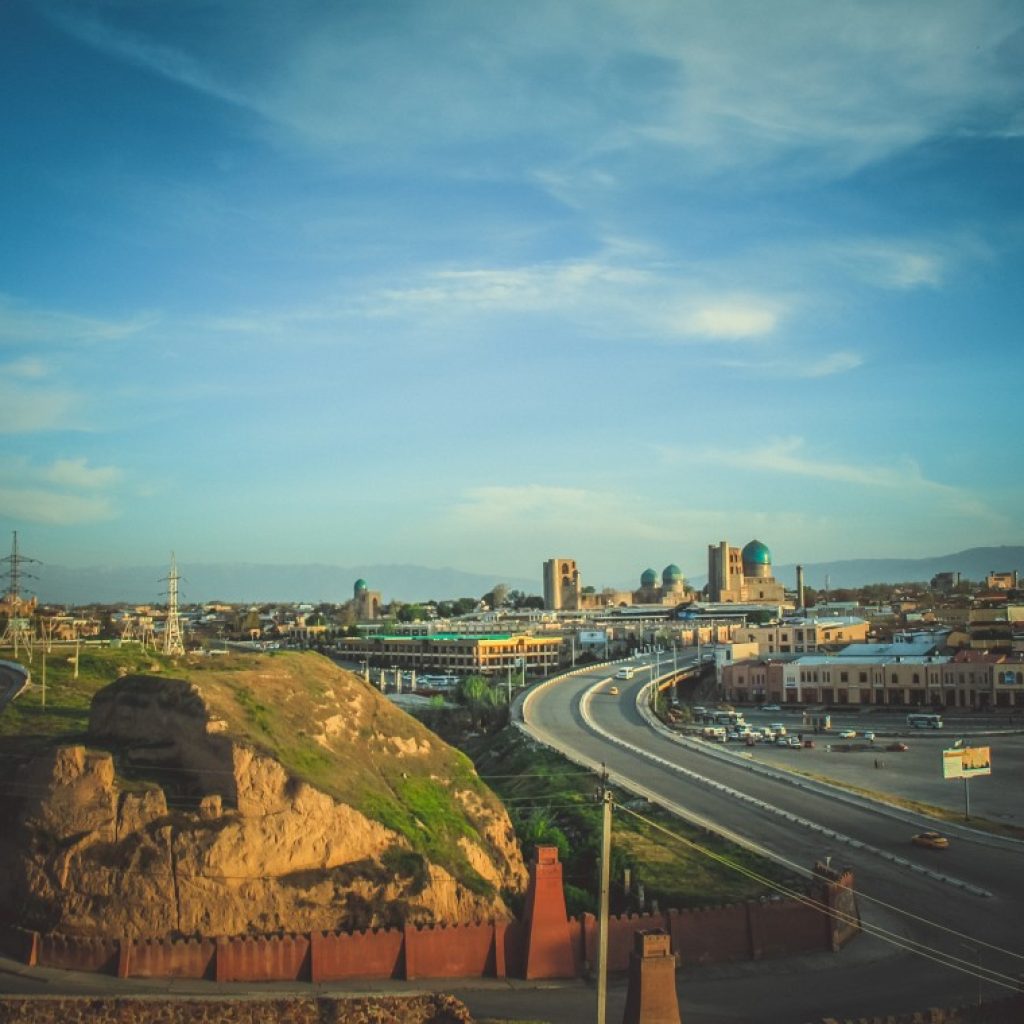
Samarkand is the most ancient city of Uzbekistan and one of the oldest cities in the world. According to official historical sources, Samarkand existed already in the 8th century BC, and the first settlers appeared on its territory much earlier. Samarkand is first mentioned as the capital of the ancient state of Sogdiana, which existed until the 8th century. Then Samarkand was known as Marakanda, which is what it was called in the works of ancient Greek and Roman historians. There is still debate about the true origin of the city’s name. The etymology of the word “Samarkand” implies two roots: “kent”, which means “city”, and “samar”, which can be translated in different ways. However, any interpretation most often comes down to a mention of the wealth and bountiful harvest of the local land.
Like other cities with a rich history, Samarkand has survived many kings and civilizations. It was conquered by Alexander the Great, adopted Arab culture centuries later, and was destroyed by the Mongols. It is noteworthy that during the attack on Samarkand, Alexander the Great suffered his first defeat in a seven-year military campaign from the Sogdian folk hero Spitamen. Samarkand was destroyed and built again, changed under the influence of new peoples and their cultures, absorbed the blood and sweat of thousands of people into its land, and raised generations of scientists and artisans. Now many tourists around the world consider Samarkand their favorite city.
The real heyday came with the coming to power of Amir Timur and the Timurid dynasty. At this time, Samarkand became the capital, a garden city, the cradle of culture and the center of science. All eminent scientists of the Asian Middle Ages were in one way or another connected with Samarkand. Under the Timurids, monumental mausoleums and madrassas were built, which have survived to this day for tourists in Uzbekistan to see.
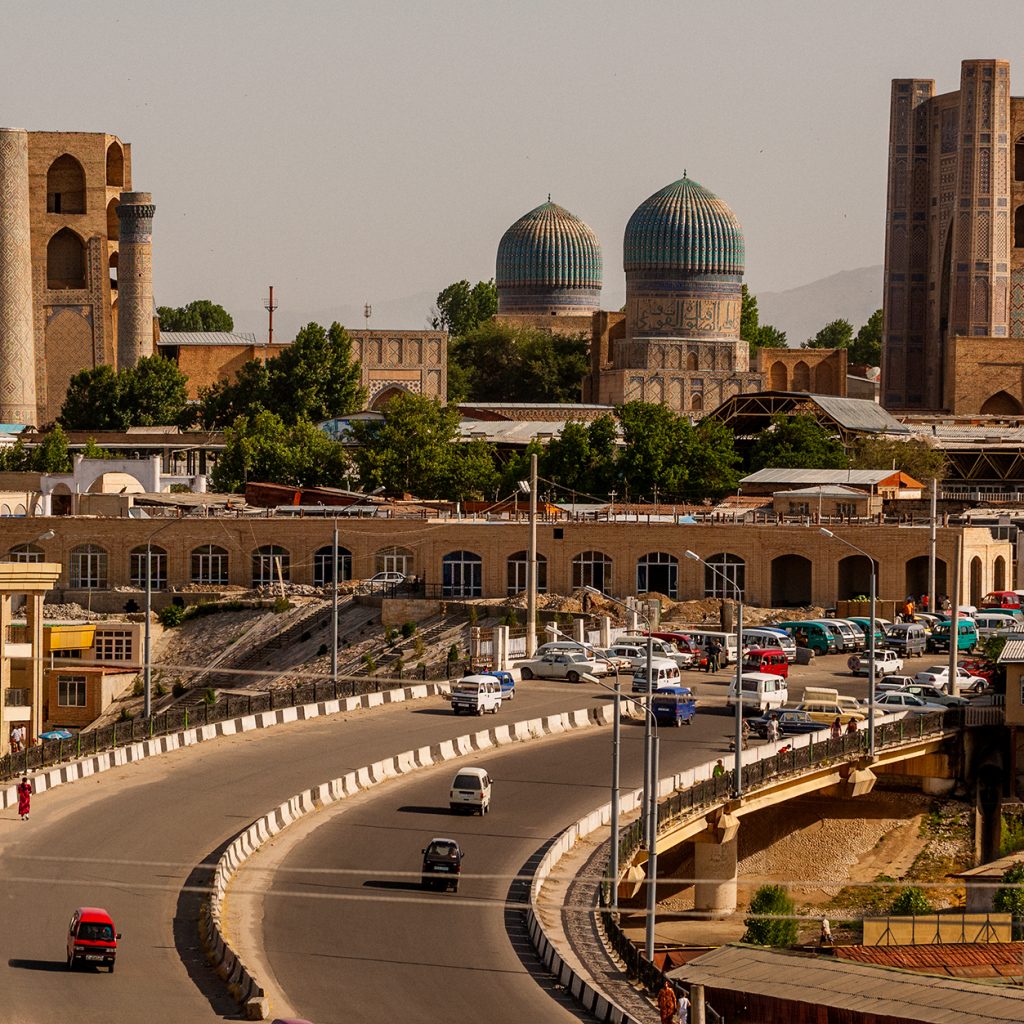
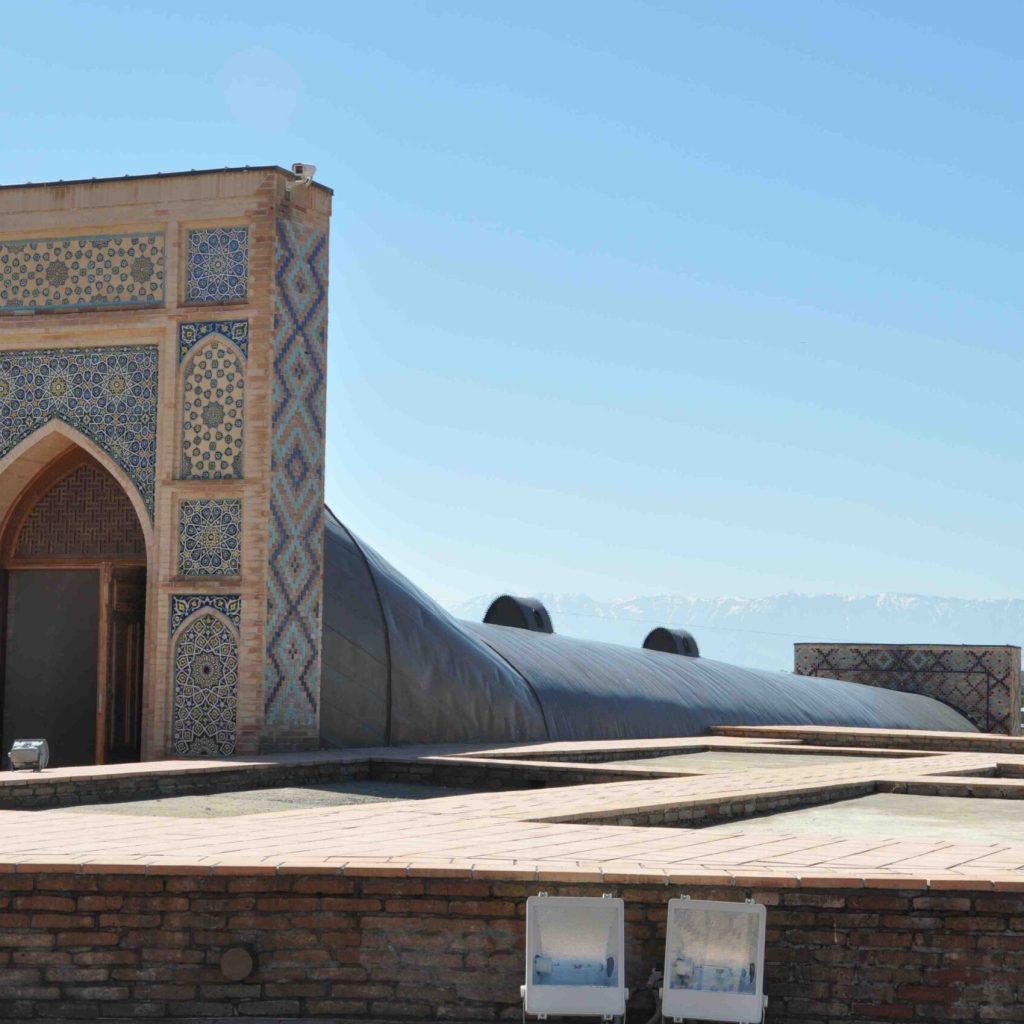
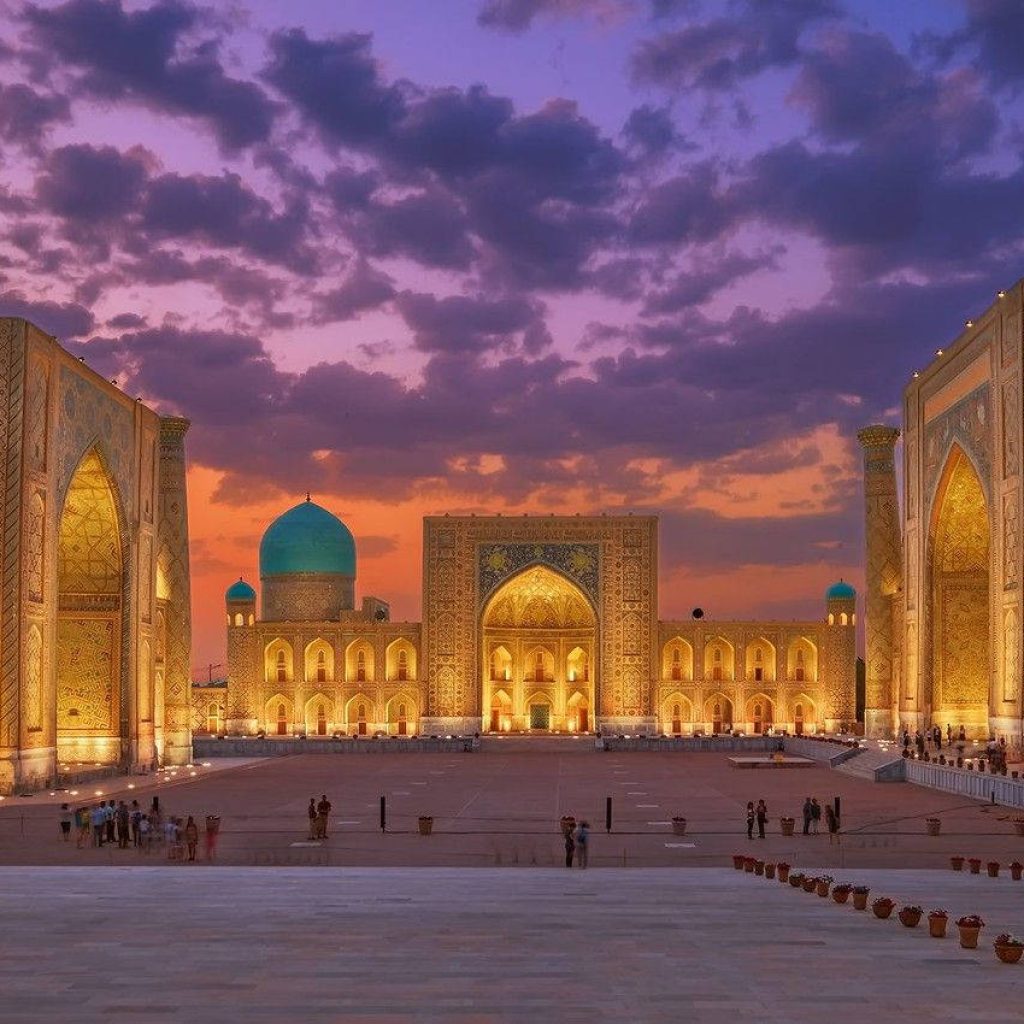
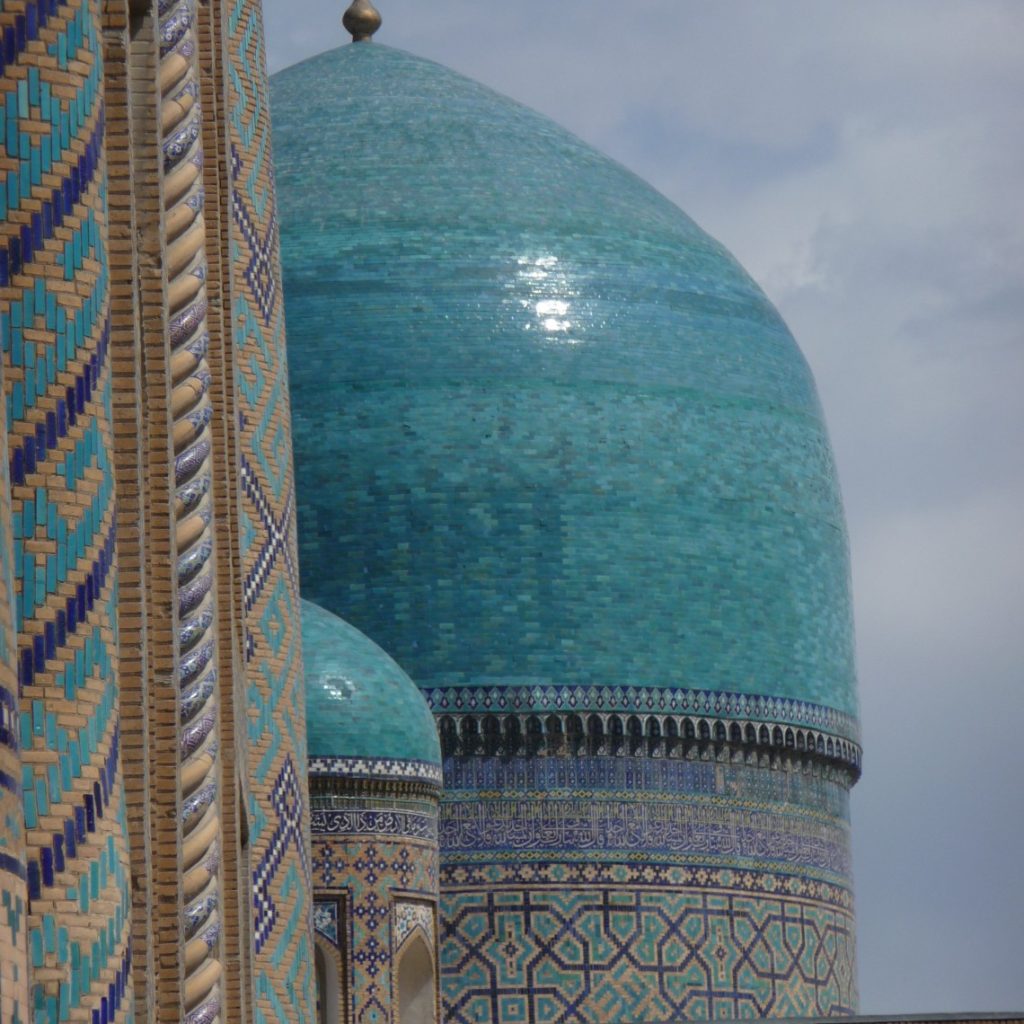
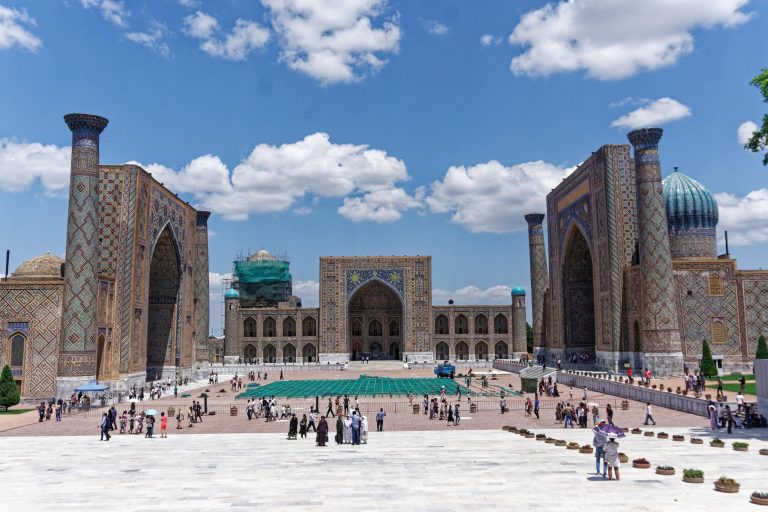
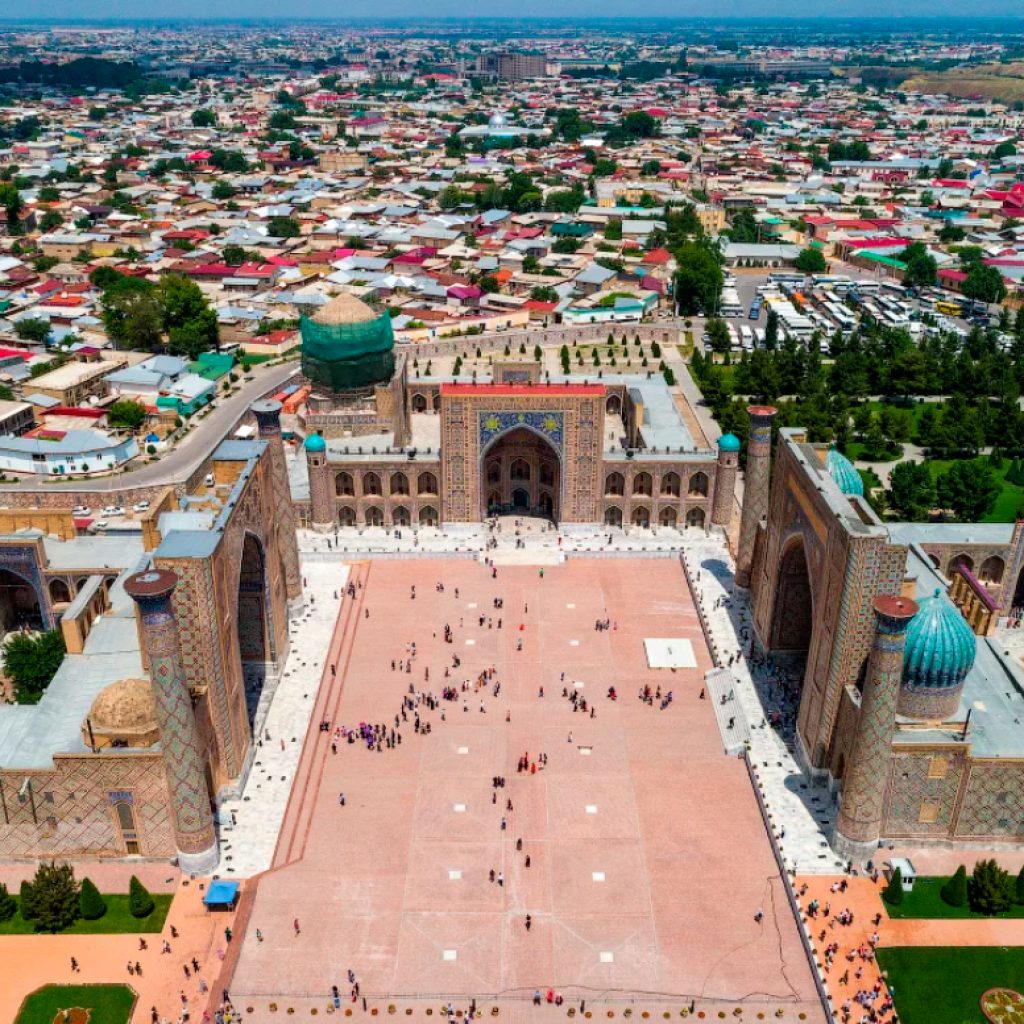
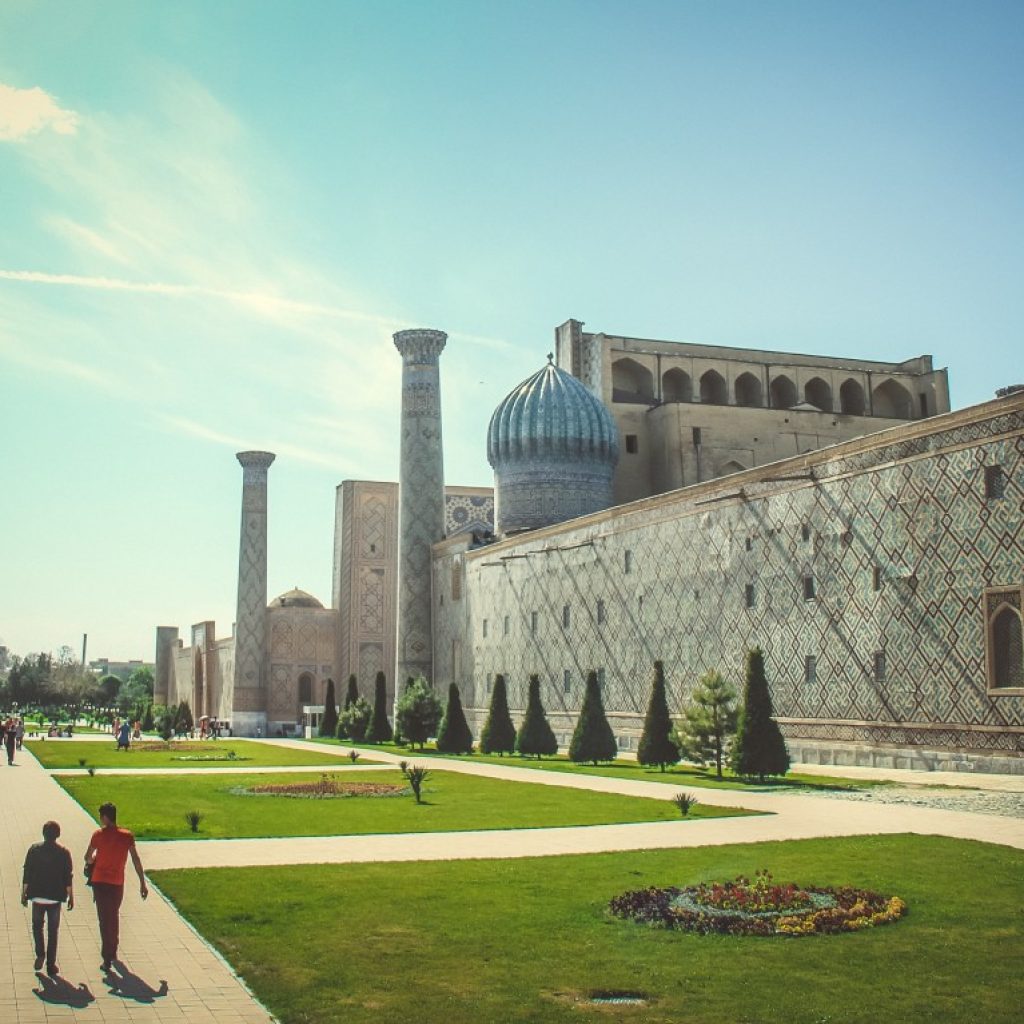
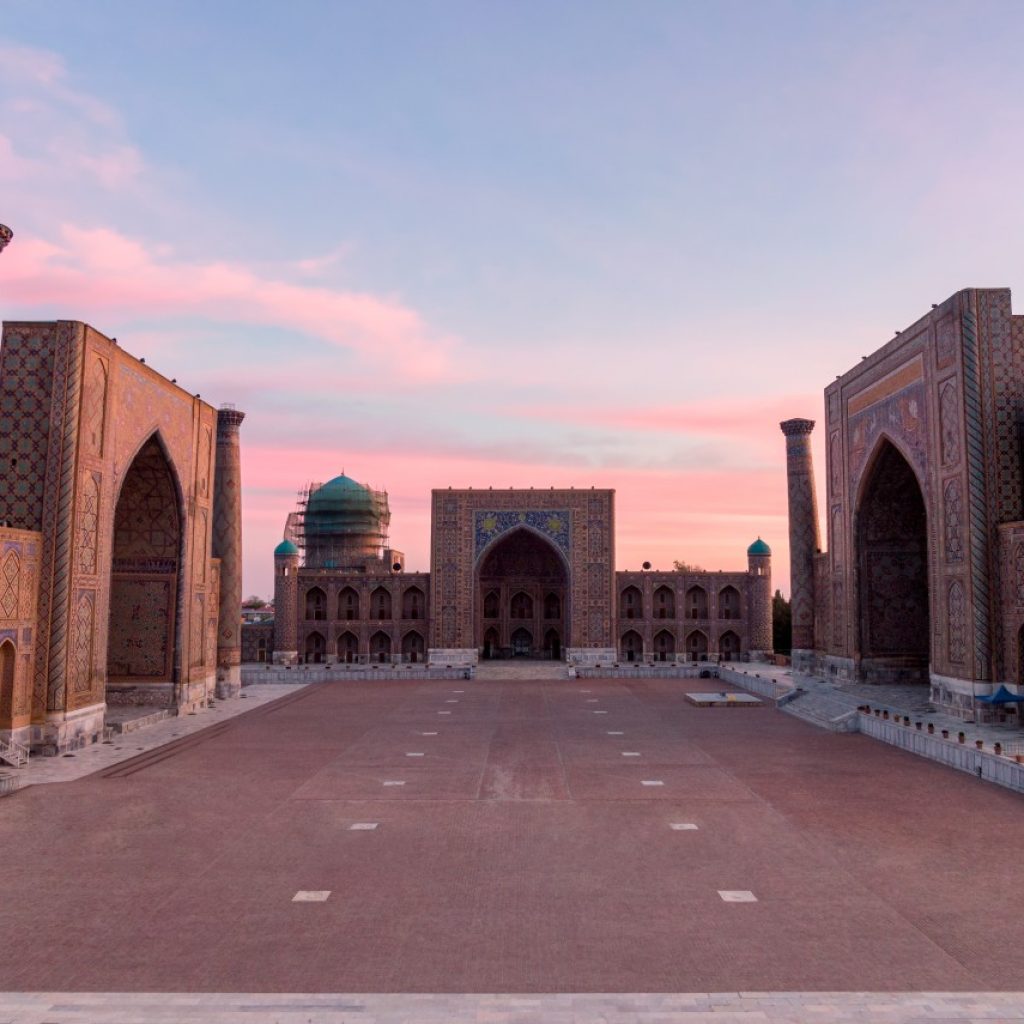
Registan is rightfully considered the most important attraction of the city. This is a whole ensemble in the same style, which served as the central square in the Middle Ages. It includes three madrassas: Ulugbek, Tillya-Kari and Sherdor madrassas. Ulugbek Madrasah is the very first and oldest building on the square. As the name implies, the madrasah was built by order of the grandson of Amir Timur Ulugbek Taragai in the 15th century. Ulugbek was known primarily not as a ruler, but as a learned astronomer, the most famous in his time. At the time of construction, Ulugbek madrasah was the best and largest Muslim university in the East. The most advanced technologies were used during construction: glazed bricks, geometric patterns, carved marble, calligraphic and floral motifs in the design. It is safe to say that the building was two centuries ahead of its time.
Sherdor Madrasah was built at the beginning of the 17th century by order of the mayor of Samarkand Yalangtush Bakhodur. According to the plan, Sherdor stands opposite the Ulugbek madrasah and reflects it. The glaze, domes and minarets are really similar. The main difference between Sherdor is its tigers, thanks to which the madrasah received its name – “Sherdor” is translated as “abode of tigers”. These animals are depicted above the main entrance against the backdrop of the rising sun.
The Tillya-Kari Madrasah, the latest building in the ensemble, built closer to the middle of the 17th century, completed the design of Registan Square. The architecture of Tillya-Kari is no longer similar to Sherdor and the Ulugbek madrasah, and is distinguished by two wide frontal wings with arched inserts, as well as the absence of minarets. Despite the fact that Tillya-Kari is in the center of the ensemble, the madrasah should not dominate, but rather frame and complete the original idea. In addition, a mosque was built under him, decorated from the inside with gold glaze, which dominates the decoration of Tillya-Kari, which explains the origin of the name “Tillya-Kari” – “gilded”.
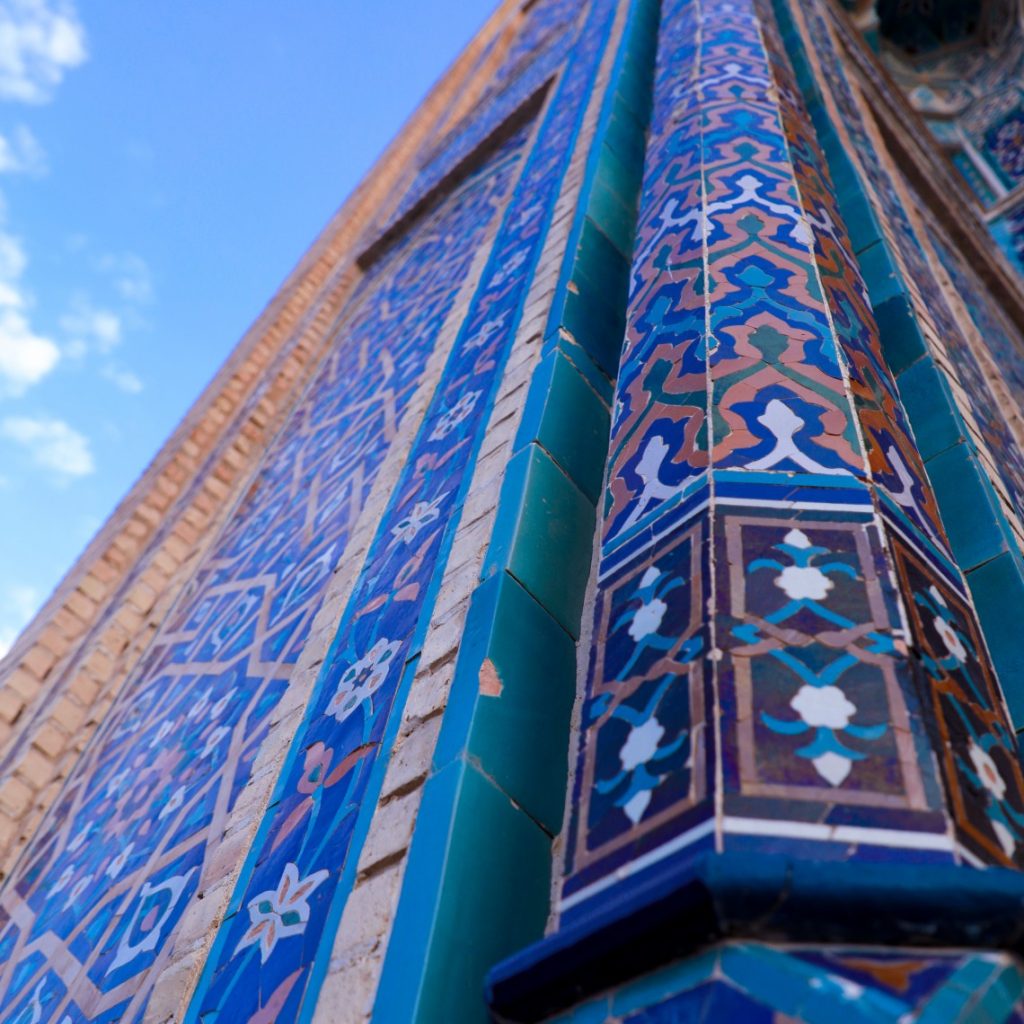
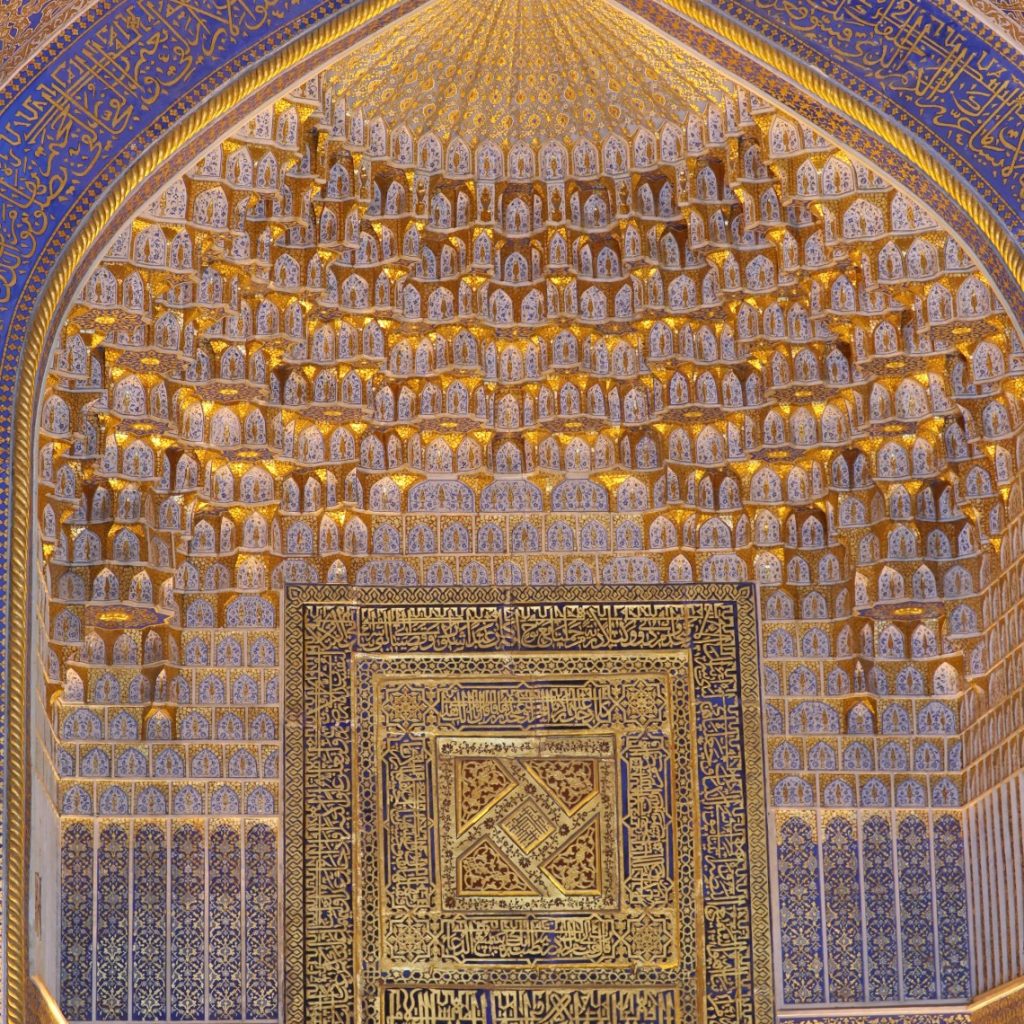
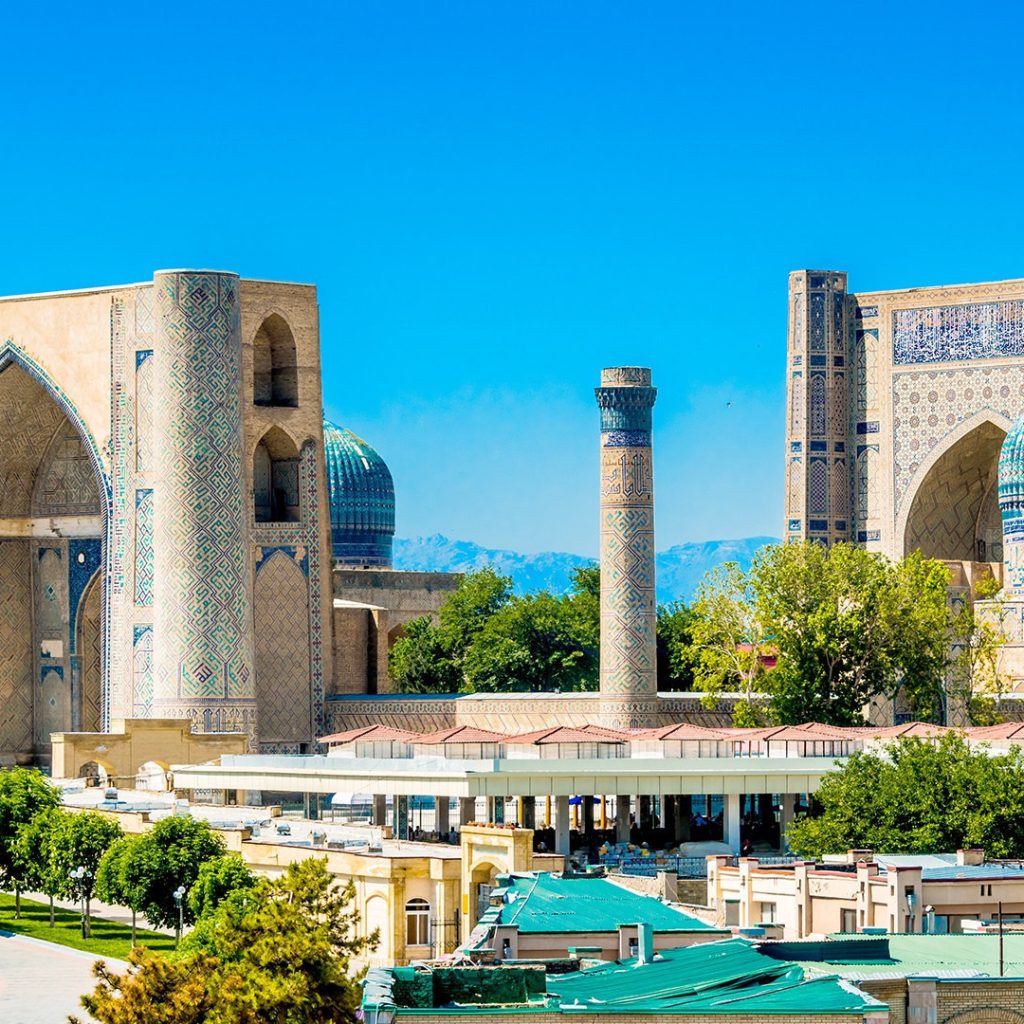
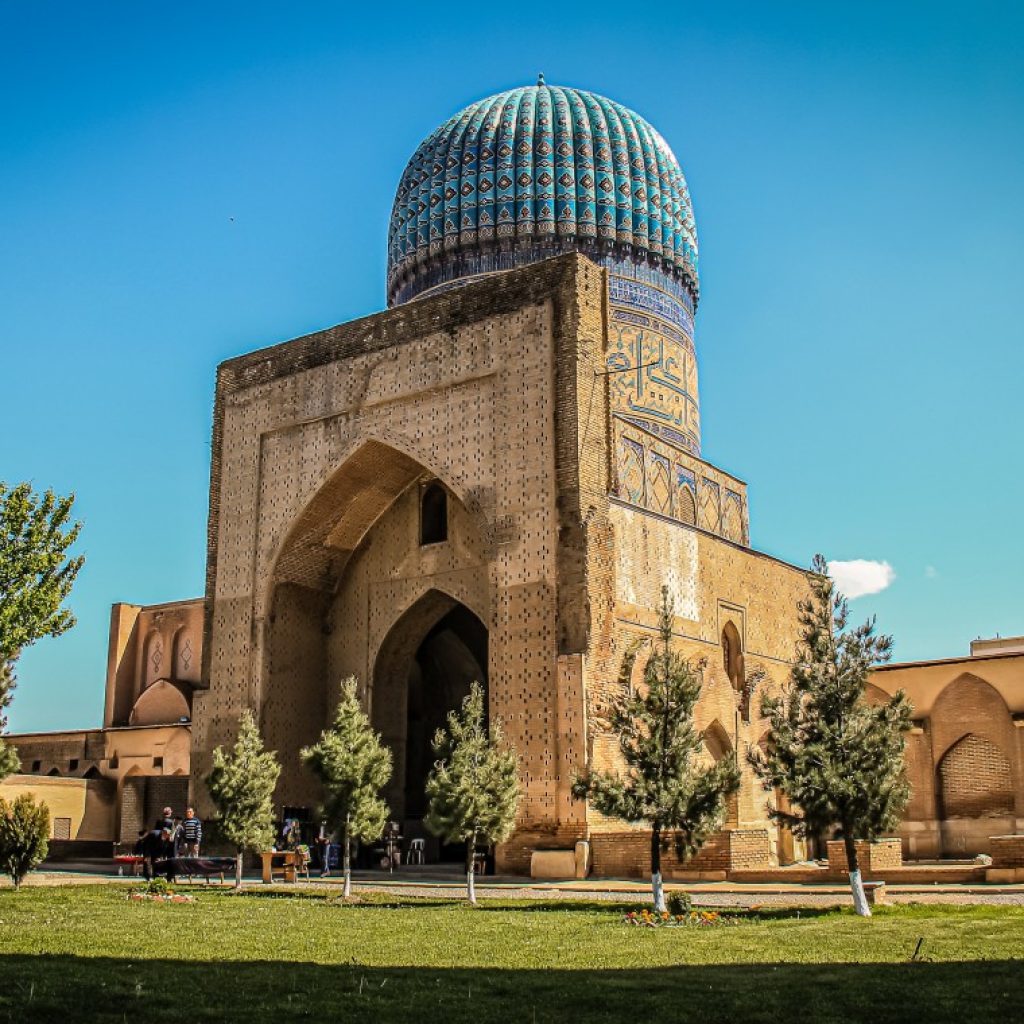
Not far from Registan is the Bibi-Khanym Mosque. It was founded in 1399 and at first had no name. The mosque received the name Bibi-Khanym later in honor of Amir Timur’s beloved wife. The reason for this was the legend that Bibi-Khanim, wanting to surprise her husband, ordered the construction of a huge mosque, which had no equal. But construction was delayed due to the fault of the most talented young architect, who was in love with the queen and asked her for one kiss. She refused the architect a thousand times, but he did not calm down. Then she allowed him to sneak a kiss on her cheek and at the last moment covered her face with a handkerchief. But the kiss was so hot that it burned through the fabric and left a mark on the cheek. This trace was noticed at court and they wanted to find the architect, but he disappeared without a trace, and the mosque was completed overnight.
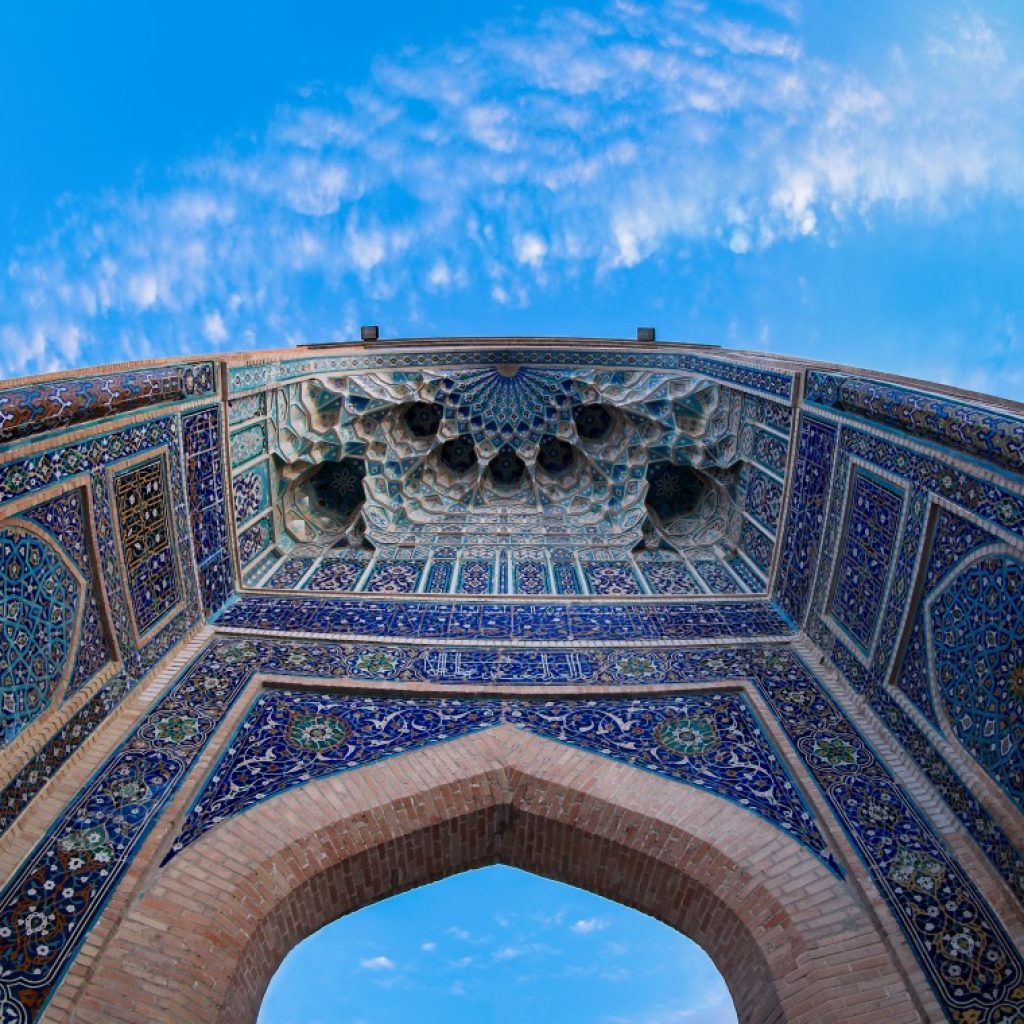
In fact, everything was completely different. After a successful military campaign against India, Amir Timur ordered the construction of a huge cathedral mosque capable of accommodating ten thousand people. After that, he left again on government affairs, and upon arrival he was extremely dissatisfied with the construction of the front portal – the mosque was not majestic enough. The architect was executed and the vaults were rebuilt. As a result, the mosque turned out to be truly monumental,the forty-meter arched entrance portal amazes the imagination of tourists visiting Uzbekistan. By the way, at the time of construction, Bibi-Khanym was over 60 years old and women were not allowed to work as architects, so the legend of the architect in love is doomed to remain a legend.
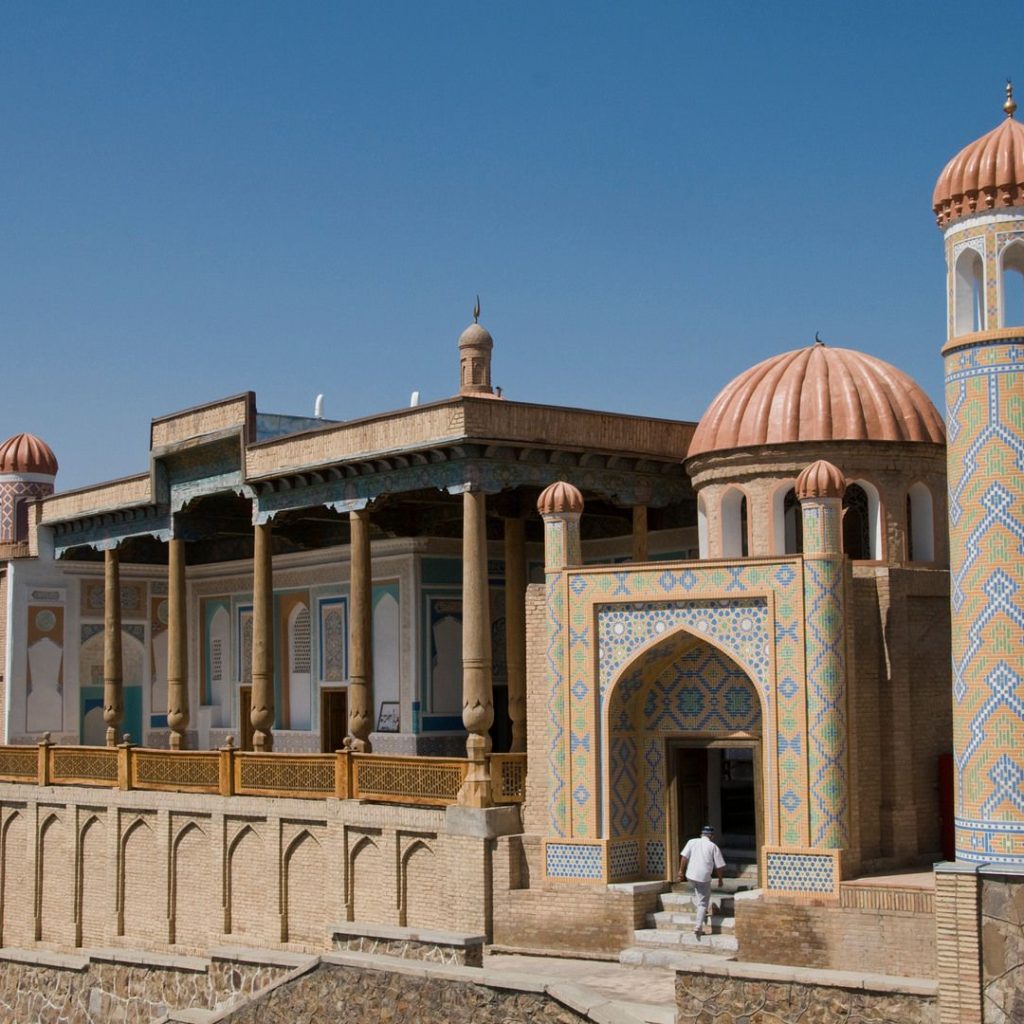
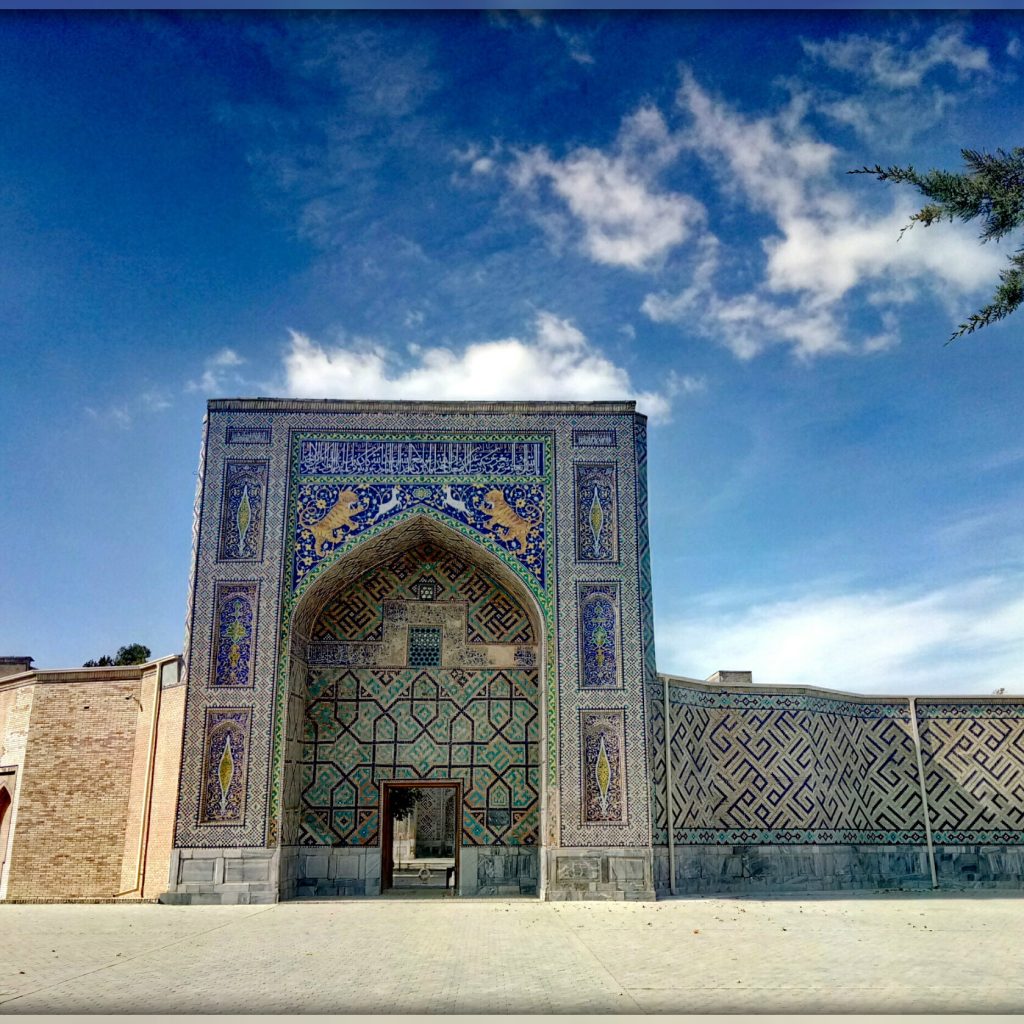
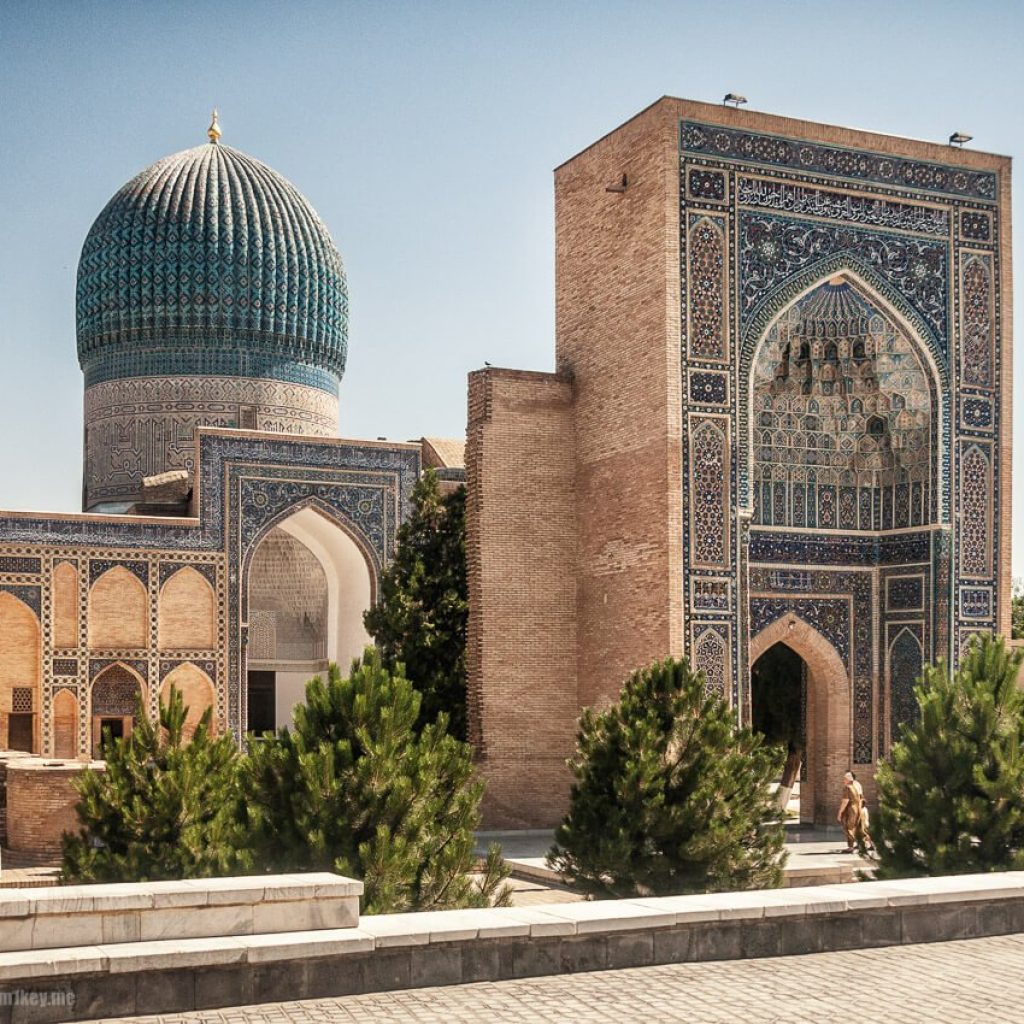
Every Uzbek myth leads to the mention of the Timurid dynasty. And here, in Samarkand, lies Tamerlane, the founder of this glorious family. He found his final rest in the Gur-Emir mausoleum, which is translated from Persian as “Tomb of the King.” The mausoleum is a solemn and at the same time elegant building with one, magnificently decorated, ribbed dome. Gur-Emir is picturesquely decorated, geometric arabesques on the outside speak of the greatness of the late ruler, and the interior is distinguished by gold trim, patterned arches and honeycomb niches in the walls. There is also a tombstone made from a single piece of precious green jade so dark that it appears black.
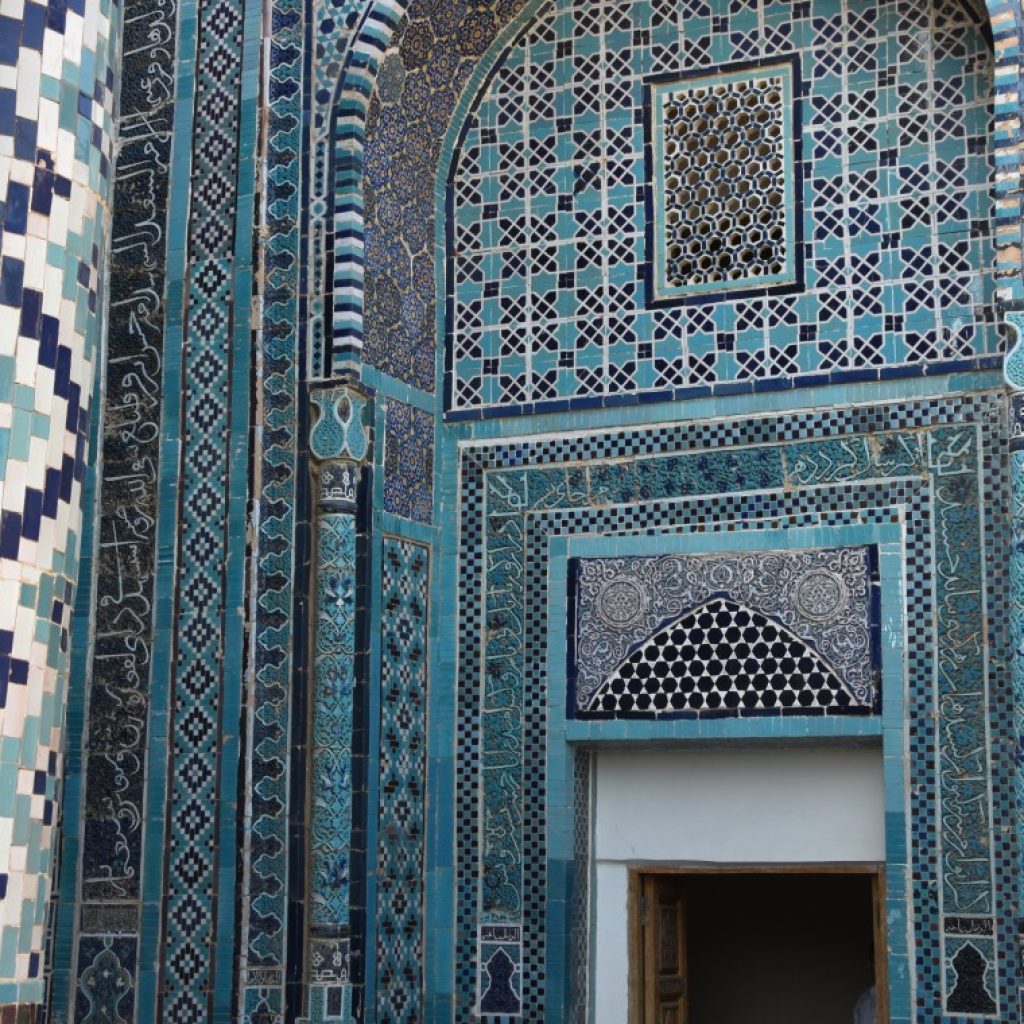
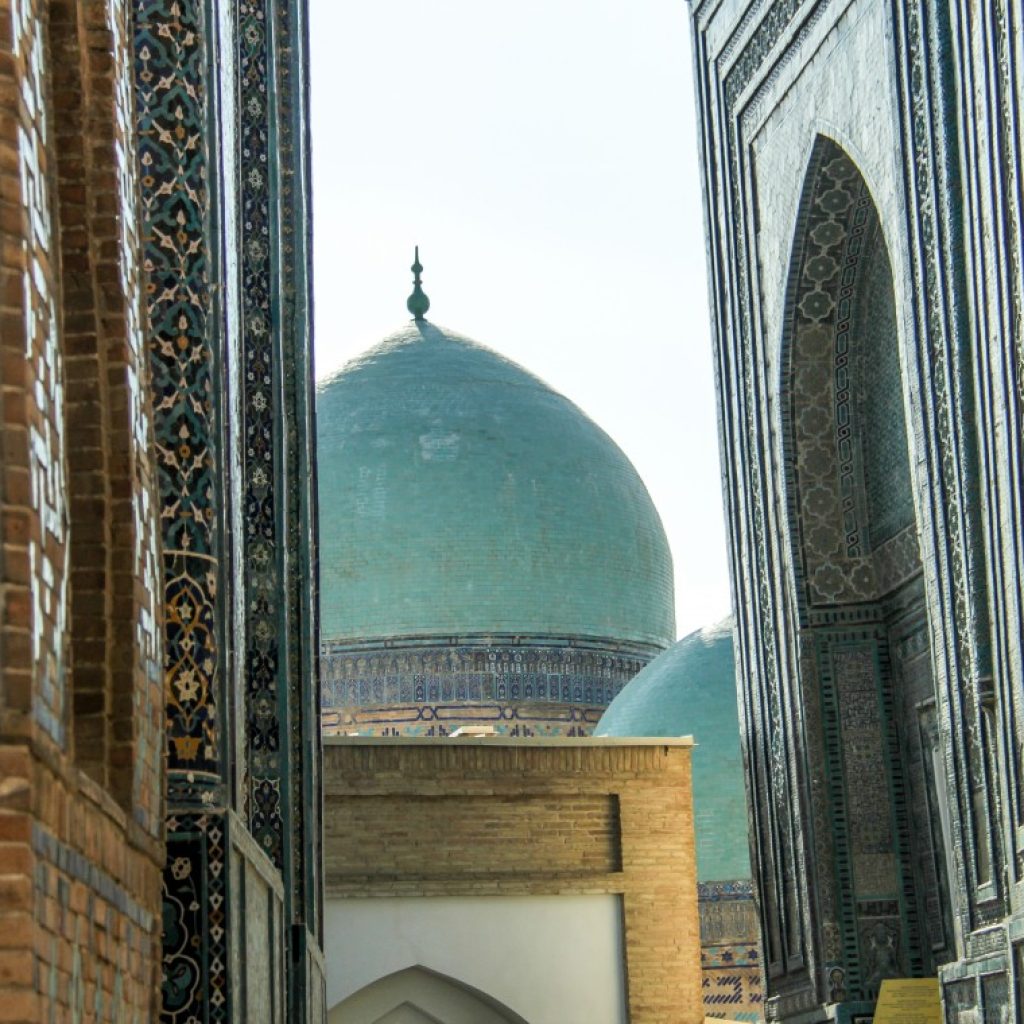
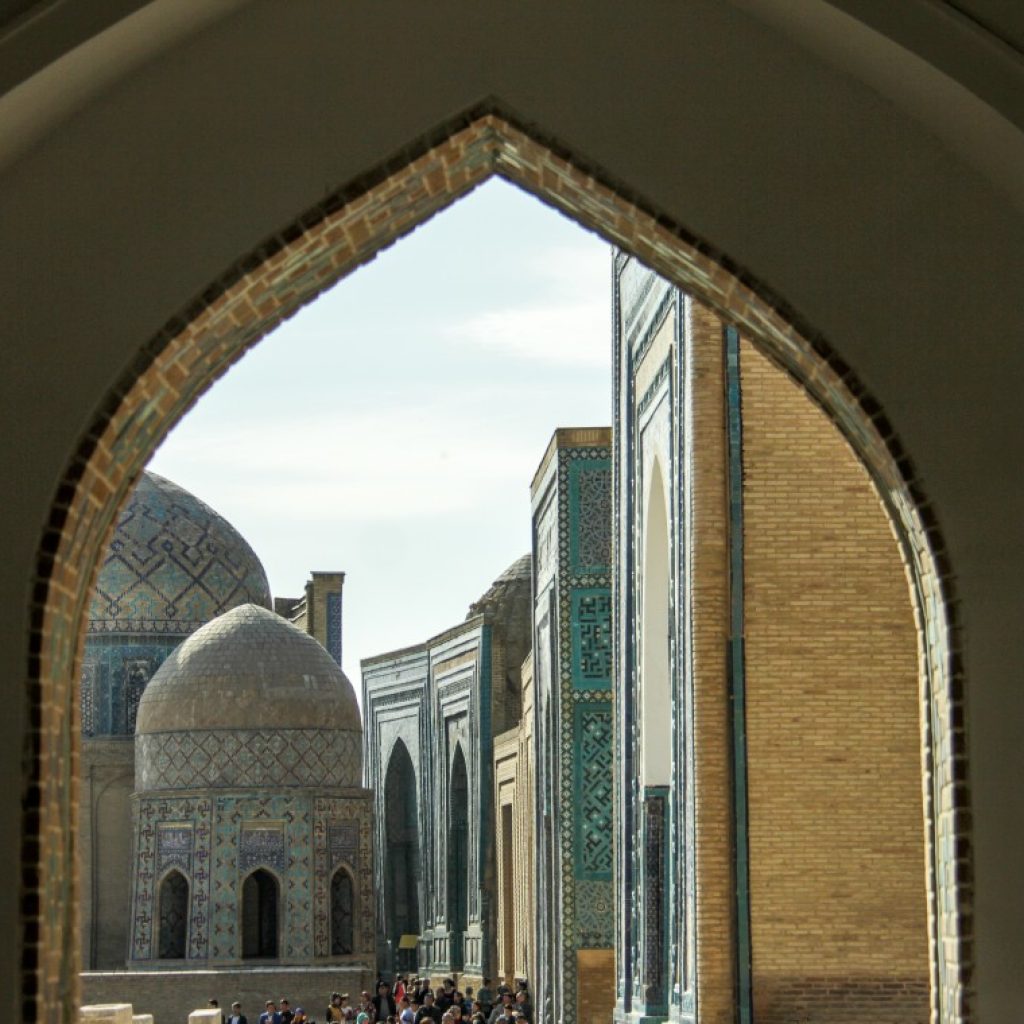
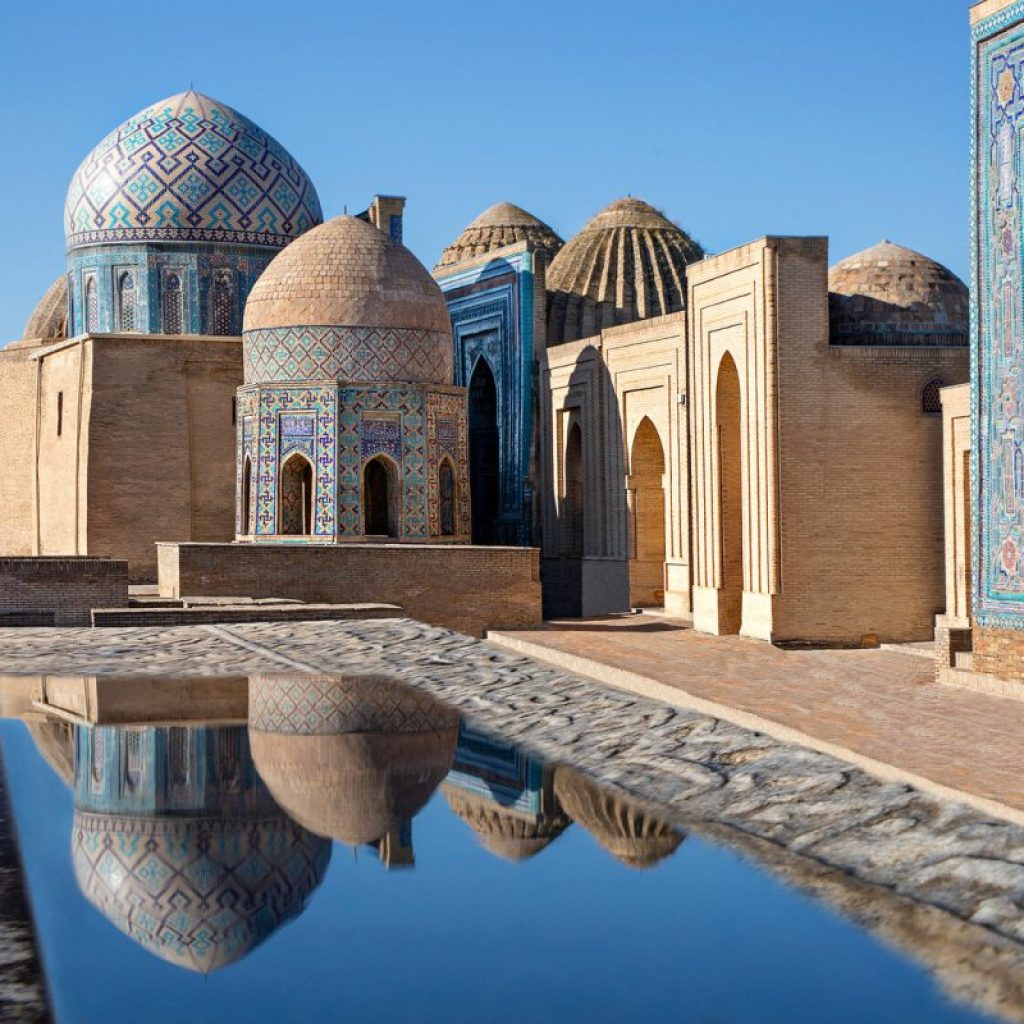
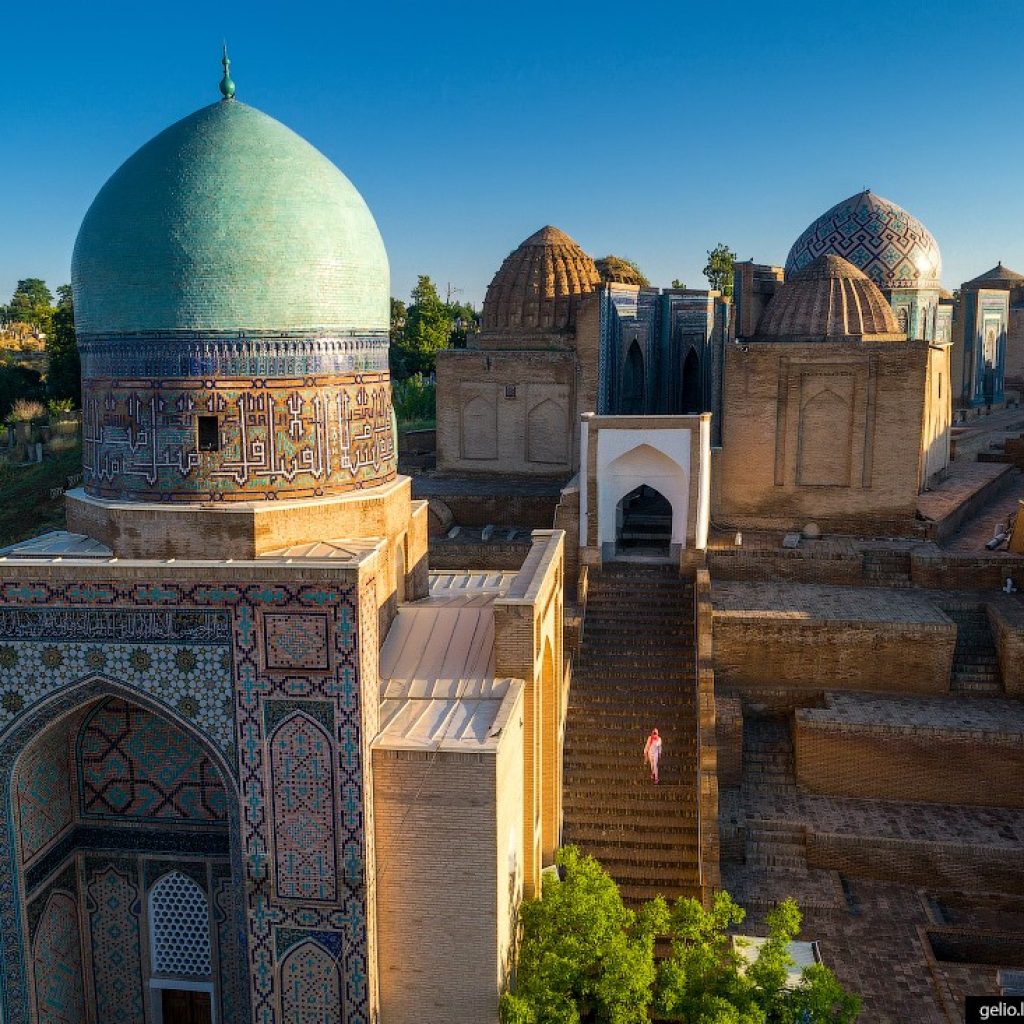
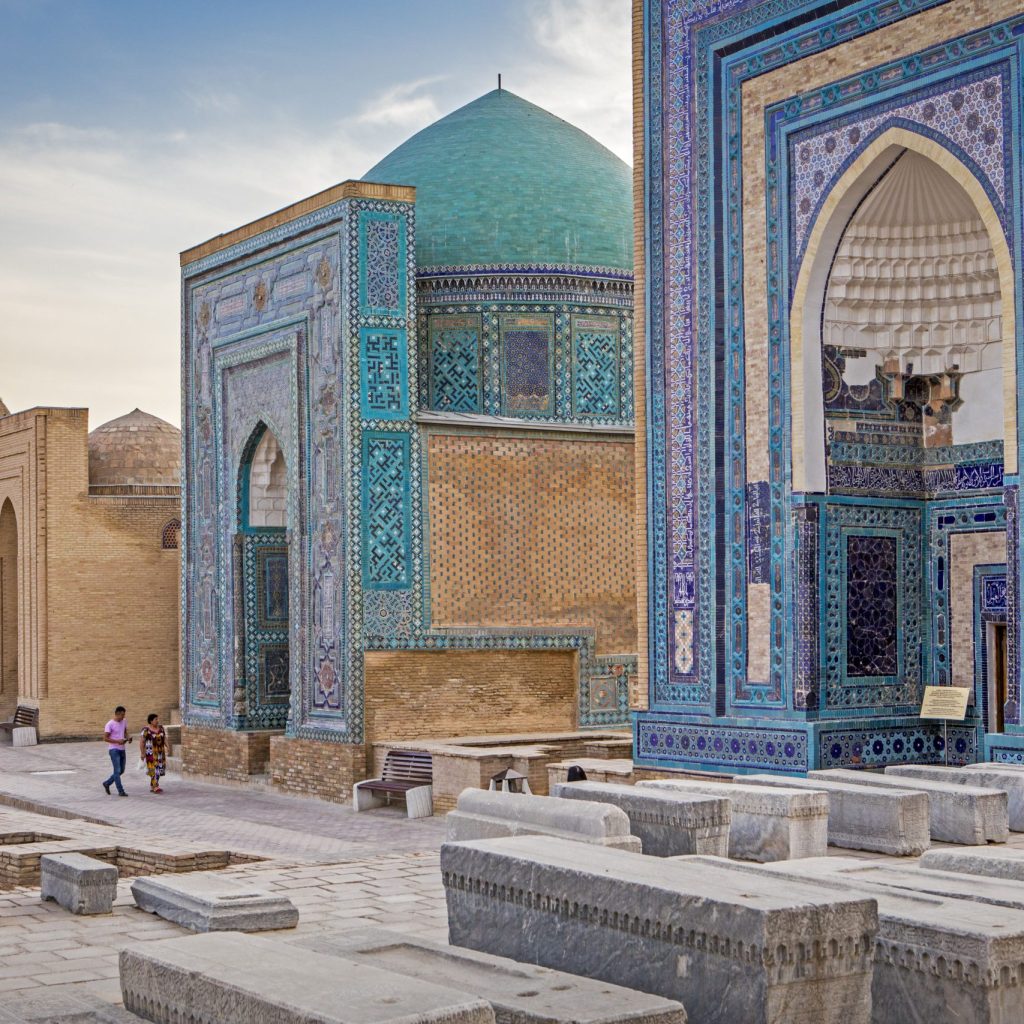
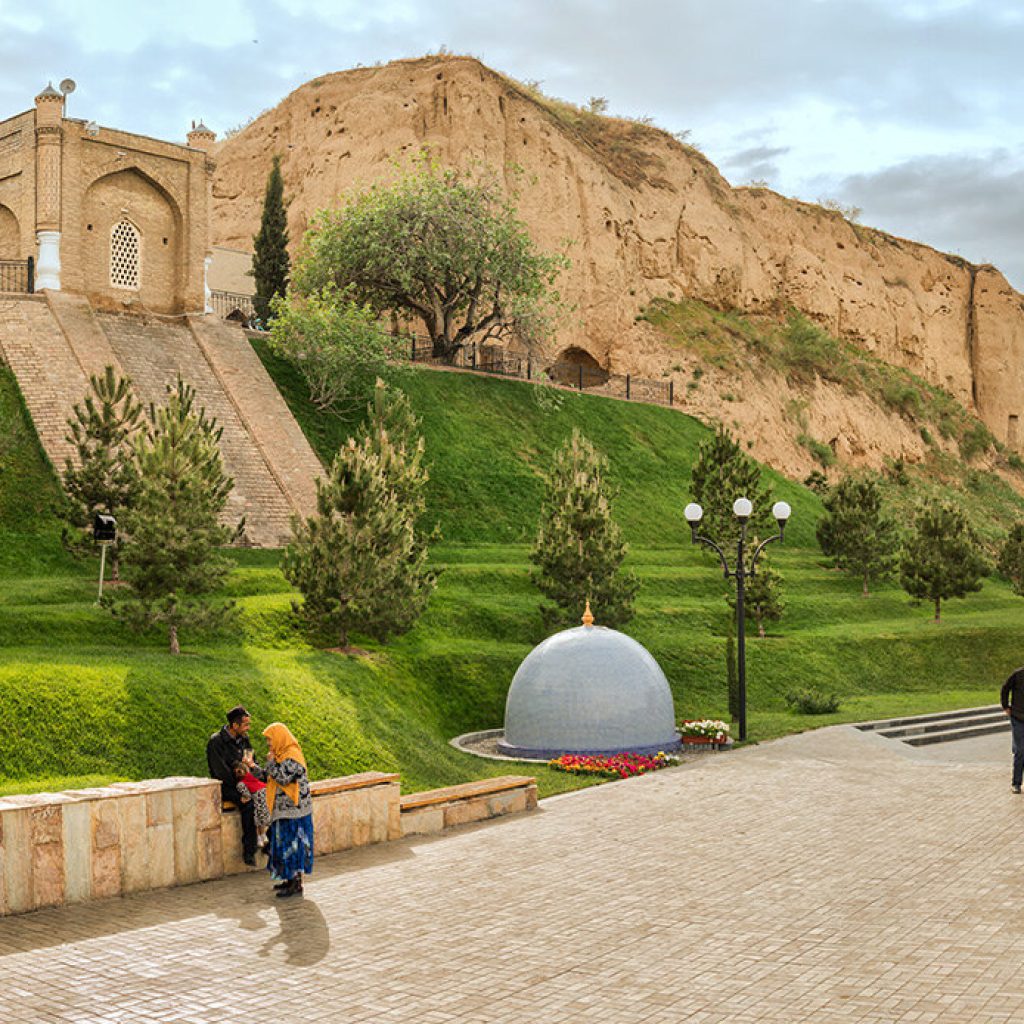
It is difficult to describe all the splendor of examples of medieval Asian architecture. As is customary, it is better to see everything on your own, but there is still something to see in Samarkand – the city is full of architectural monuments. Among the attractions: the ensemble of mausoleums of Shahi-Zinda, the ancient settlement of Afrosiab, the Ulugbek Observatory, the tomb of Khoja Daniyar, old mosques, modern museums and much more. A traveler to Uzbekistan will definitely have to stay in Samarkand for a long time. Fortunately, hotels, cafes and restaurants are open to tourists, as well as many inexpensive shops and an old town with a bazaar and friendly residents. monumental,
For the most interesting trip, tourists should not plan a tour to Uzbekistan on their own, but rather contact the professionals from MAGICTRAVEL. Professional tour operators will make your vacation comfortable and unforgettable. Specialists from MAGICTRAVEL guarantee an individual approach and affordable prices.